
YRE’s 4-Step Methodology
Investigate, research solutions, report and share — the tried and tested approach behind every YRE story.
How YRE works
Citizen journalism for the environment
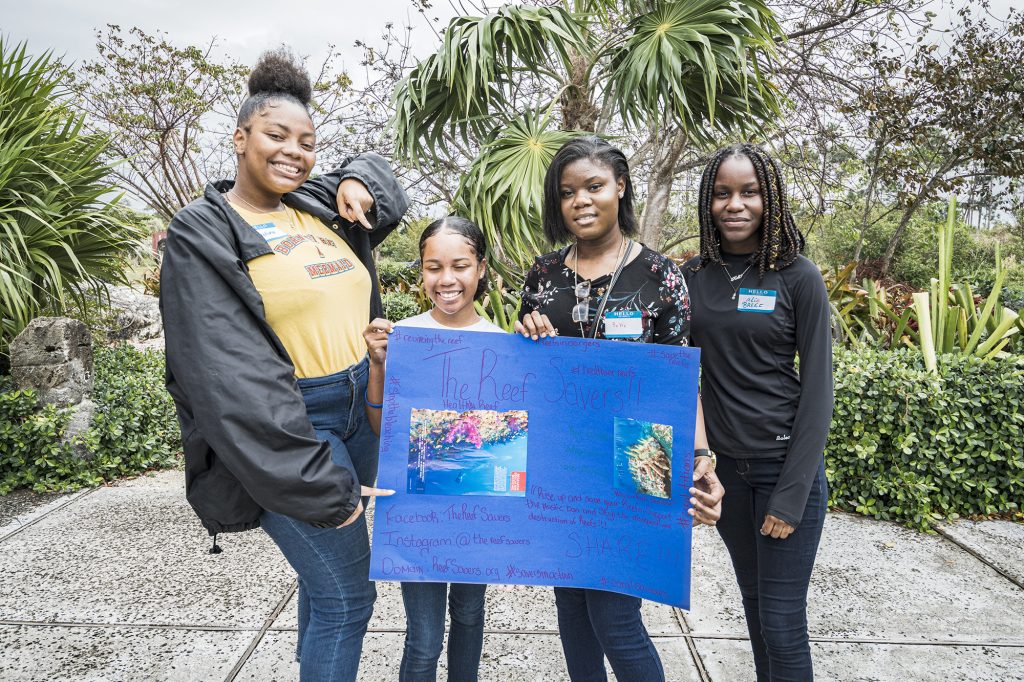
YRE engages participants aged 11–25 in environment-focused citizen journalism, encouraging them to investigate local environmental issues and solutions, and report on them through articles, photos, or videos.
The programme develops participants’ skills and knowledge about the environment, enhances communication and citizenship skills, individual initiative, teamwork, critical analysis, social responsibility, and leadership abilities.
YRE uses a tried and tested four-step methodology.
The methodology
Four steps from issue to impact
Every YRE story follows the same path: find a local issue, explore solutions, report on it, then share it with the community.
Step 1
Investigate
Investigate a local environmental issue:
- Identify and define a local environmental issue
- Investigate (look up, compare, interpret, evaluate) relevant information from primary and secondary sources
- Identify key individuals and groups and find out what their different perspectives on the issue are, their approaches to resolving it, and their assumptions and goals
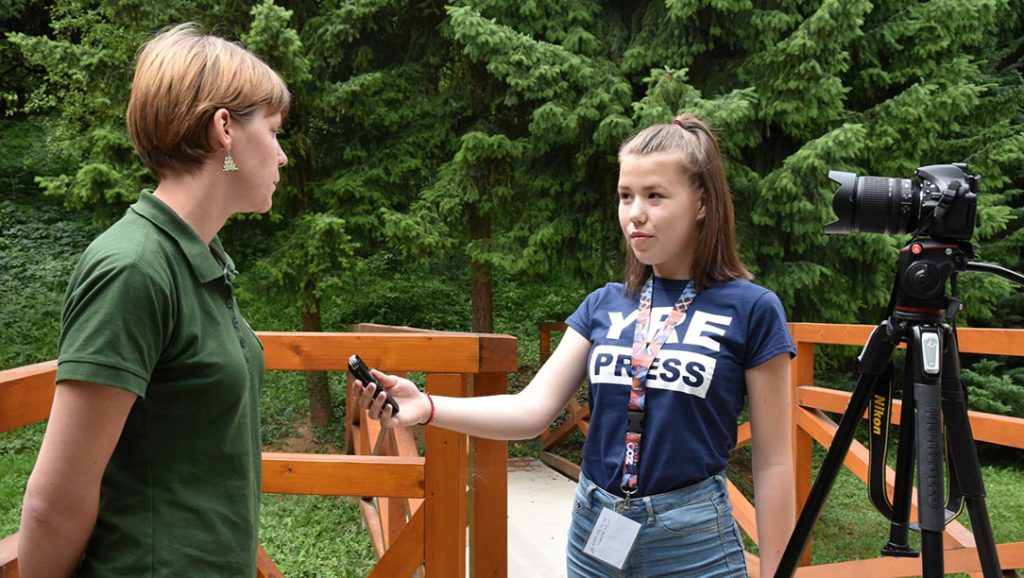
- Conduct original research, such as surveys/questionnaires, and interview key individuals or groups to obtain first-hand information
- Cover relevant historical, economic, social and/or political implications and possible consequences of the issue
- Link the local environmental issue to the bigger global picture
Step 2
Research solutions
Research solutions to a local environmental problem or issue:
- Identify possible solutions through experts’ and stakeholders’ voices to the environmental issue and evaluate their likely effectiveness, giving reasons for and against (pros and cons)
- The solutions presented have to be thoroughly explained, well argued and justified
Step 3
Report
Report on the local environmental issue and its possible solutions through a journalistic piece:
- Identify your target audience and choose the best way to reach and communicate with them, i.e. which media do they read, watch or listen to?
- Plan how you will report on the issue (who needs to be informed? how? when?) and use the appropriate journalistic format and style
- Create an article, photograph, or video that documents the environmental issue; where possible, suggest a solution through the voices of experts and stakeholders
- Take a positive approach to inspiring change and finding a solution
Step 4
Disseminate
Disseminate with the local audience:
- Share (disseminate) your work with a local audience through the media, e.g. newspaper, magazine, radio, television, social media, exhibition, film show, local events, etc.
Investigate. Find solutions. Report. Share. Every story starts in your own community.
The YRE approach
What participants develop
Skills for life, not just for a story
Environmental knowledge
A deeper understanding of local environmental issues and how they link to the global picture.
Communication & citizenship
The confidence to inform the public and take part in decisions that affect the community.
Teamwork & initiative
Planning, researching and producing a story together, from first idea to finished piece.
Critical thinking & leadership
Weighing evidence, judging solutions and leading others towards positive change.
Explore more
Learn more about YRE Bangladesh
About YRE Bangladesh
Who we are and what we aim to achieve.
History
How YRE grew into a global movement.
Why Join
What young reporters gain from YRE.
Brochure
Our programme at a glance.
Ready to tell your environmental story?
Registration for the YRE Bangladesh Competition 2026 is now closed. Follow us for news about the next competition.